
Blog

Blog
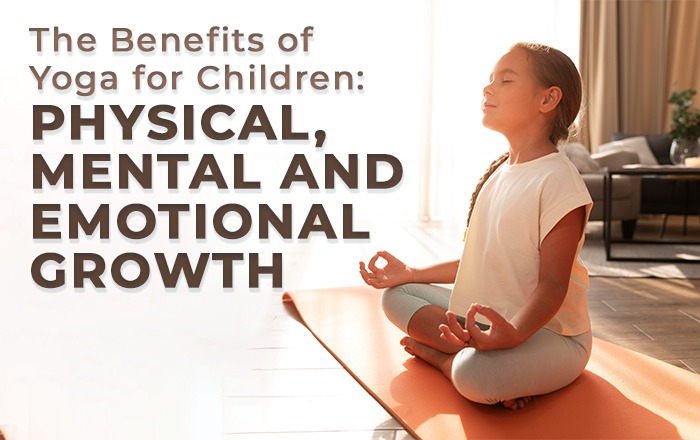
In today’s fast-paced world, children are growing up in an environment filled with academic pressures, screen time, and social challenges. While parents strive to ensure their kids excel in school and extracurricular activities, one often overlooked aspect of a child’s development is holistic well-being. Yoga, an ancient practice rooted in mindfulness, physical postures, and breathing techniques, is increasingly recognized as a powerful tool for nurturing children’s physical, mental, and emotional growth.
This blog explores the profound benefits of yoga for children and why incorporating it into their daily routines can have a lasting positive impact.
Introduction to Yoga for Children
Yoga is more than just a series of stretches or poses; it’s a lifestyle and a practice that promotes self-awareness, balance, and harmony. For children, yoga is often presented in a fun, playful way that captures their imagination while teaching essential life skills. Unlike rigorous sports that focus primarily on physical performance, yoga integrates the mind and body, helping children develop a holistic sense of health and wellbeing.
Physical Benefits of Yoga for Children
Improved Flexibility
One of the most immediate and noticeable benefits of yoga is enhanced flexibility. Through poses like the Cobra, Cat-Cow, and Tree, children gently stretch their muscles, ligaments, and joints. This flexibility helps in:
-
Reducing the risk of sports-related injuries
-
Supporting healthy growth of bones and muscles
-
Encouraging better posture
Enhanced Strength
Yoga is not just about stretching—it also builds strength. Many poses, including Plank, Warrior, and Boat, engage multiple muscle groups simultaneously. Strength gained through yoga:
-
Improves core stability, which is essential for overall coordination
-
Supports spinal alignment and posture
-
Helps children perform daily activities with ease
Better Balance and Coordination
Balance is a key component of physical development in children. Poses like Tree Pose, Eagle Pose, and various balancing sequences enhance:
-
Body awareness
-
Hand-eye coordination
-
Motor skills, which are essential for sports and physical education
Boosted Energy Levels
Yoga, through gentle stretching and controlled breathing, improves blood circulation and oxygen flow. This increase in energy helps children stay active throughout the day and reduces feelings of fatigue.
Mental Benefits of Yoga for Children
Increased Focus and Concentration
Modern children are constantly bombarded with information from screens and social interactions. Yoga encourages mindfulness and attention to the present moment. Practices like:
-
Breathing exercises (Pranayama)
-
Guided meditation
-
Focused postures
…help children improve concentration, memory retention, and classroom performance.
Enhanced Cognitive Skills
Yoga stimulates the brain through sequences that require coordination, timing, and memory. Research indicates that children who practice yoga regularly tend to show improvements in:
-
Problem-solving skills
-
Creative thinking
-
Academic performance
Stress Reduction and Emotional Resilience
Children, like adults, experience stress from school pressures, peer relationships, and family expectations. Yoga helps manage stress by:
-
Teaching relaxation techniques
-
Encouraging deep breathing to calm the nervous system
-
Providing coping strategies for emotional challenges
Children learn to identify their emotions and respond to situations with patience and clarity rather than impulsivity.
Emotional and Social Benefits
Emotional Regulation
Yoga fosters self-awareness and emotional intelligence. Through consistent practice, children learn to:
-
Recognize their feelings
-
Understand triggers for negative emotions
-
Develop healthy ways to express themselves
Boosted Confidence and Self-Esteem
Accomplishing yoga poses and learning to master new skills can boost a child’s confidence. They experience a sense of achievement, which translates into:
-
Increased self-belief
-
Positive body image
-
Willingness to try new activities
Improved Social Skills
Group yoga sessions allow children to interact, cooperate, and communicate with peers in a non-competitive environment. This promotes:
-
Teamwork and empathy
-
Listening and observation skills
-
Respect for others’ space and individuality
Mindfulness and Gratitude
Yoga often includes elements of reflection and meditation, teaching children mindfulness and gratitude. These practices cultivate a positive outlook, encouraging children to appreciate the world around them and develop a sense of inner peace.
Yoga as a Tool for Preventing Modern Lifestyle Issues
Children today are increasingly prone to lifestyle-related challenges such as:
-
Obesity due to sedentary habits
-
Attention deficit and hyperactivity
-
Anxiety and sleep disorders
Yoga addresses these issues by promoting a balance between physical activity, mental clarity, and emotional regulation. Incorporating yoga into daily routines can help children build lifelong habits of health and well-being.
Fun Yoga Practices for Children
To keep children engaged, yoga should be fun, interactive, and imaginative. Some effective approaches include:
-
Animal Poses: Poses inspired by animals like cats, dogs, and butterflies make yoga playful.
-
Yoga Games: Activities like “Yoga Freeze” or “Pose Stories” combine movement and creativity.
-
Guided Visualization: Simple meditations using imagination can calm and focus young minds.
-
Breathing Exercises: Techniques such as “balloon breathing” teach self-regulation.
Tips for Parents and Educators
-
Start Slowly: Introduce yoga in short, enjoyable sessions of 10–20 minutes.
-
Create a Safe Space: Ensure a quiet, comfortable environment free of distractions.
-
Lead by Example: Children are more likely to practice yoga if they see adults engaged in it.
-
Make it Routine: Consistency is key; integrating yoga into daily schedules fosters habit formation.
-
Encourage Fun, Not Competition: Avoid forcing poses; focus on enjoyment and learning.
Scientific Support for Yoga in Children
Multiple studies highlight the benefits of yoga for young minds and bodies:
-
Research published in the Journal of Developmental & Behavioral Pediatrics shows yoga improves attention, emotional regulation, and social skills in children.
-
A study in Frontiers in Psychology indicates that yoga reduces stress and anxiety levels, enhancing overall mental health.
-
Clinical trials suggest that yoga boosts flexibility, balance, and physical fitness in children, contributing to long-term physical well-being.
These findings underscore the value of yoga as an essential component of a child’s holistic development.
Yoga is not just a physical exercise—it is a lifestyle that nurtures the mind, body, and soul. For children, it offers a holistic approach to growth, combining physical development, cognitive skills, emotional resilience, and social awareness. By incorporating yoga into a child’s daily routine, parents and educators can empower children to face the world with confidence, mindfulness, and a healthy body.
Encouraging children to practice yoga from a young age lays the foundation for lifelong habits of well-being, self-awareness, and emotional balance. In a world full of distractions and stressors, yoga provides a sanctuary for children to explore, grow, and thrive.