Blog

Blog
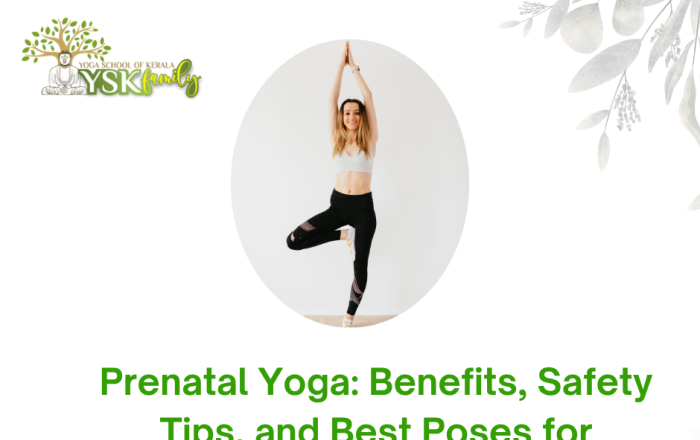
Pregnancy is a miraculous journey that transforms not just the body but also the mind and soul. As an expecting mother, your body is doing the extraordinary work of nurturing a new life, and it’s essential to support this process with healthy habits that foster strength, flexibility, emotional balance, and inner calm. One of the most effective and gentle ways to support your well-being during this time is prenatal yoga.
In this comprehensive guide, we explore the benefits of prenatal yoga, important safety tips, and the best poses to include in your practice for a healthy and mindful pregnancy.
What is Prenatal Yoga?
Prenatal yoga is a specialized form of yoga tailored to suit the changing needs of pregnant women. It focuses on gentle stretching, breathing techniques, mindfulness, and relaxation. Unlike regular yoga classes, prenatal yoga avoids postures that might stress the joints, abdomen, or cause loss of balance. It's designed to prepare your body and mind for labor, delivery, and motherhood.
Benefits of Prenatal Yoga
1. Improved Flexibility and Strength
Prenatal yoga helps strengthen the muscles used during childbirth—especially the pelvic floor, hips, and lower back—while enhancing flexibility, making it easier to carry your growing belly.
2. Reduced Back Pain and Physical Discomfort
As your baby grows, so do the physical challenges. Prenatal yoga can alleviate lower back pain, swelling, sciatica, and round ligament pain, which are common complaints during pregnancy.
3. Better Sleep Quality
With the relaxation techniques and mindful breathing practices of yoga, many pregnant women report improved sleep, even during the later trimesters.
4. Emotional Balance and Stress Relief
The calming nature of yoga helps reduce anxiety, stress, and mood swings. It provides a quiet space to connect with your baby and inner self.
5. Preparation for Labor
Breathwork (pranayama) and body awareness developed during yoga are extremely beneficial during labor. Controlled breathing can help manage pain and reduce fear and tension.
6. Community and Support
Joining a prenatal yoga class introduces you to a community of other expectant moms, providing emotional support, shared experiences, and friendships.
Safety Tips for Practicing Prenatal Yoga
Before starting any exercise routine during pregnancy, always consult your obstetrician or midwife, especially if you have a high-risk pregnancy or any medical concerns.
✅ Follow These Safety Guidelines:
-
Choose a Certified Prenatal Yoga Instructor
-
Always attend classes or follow online videos led by certified professionals experienced in prenatal yoga.
-
-
Avoid Lying on Your Back After the First Trimester
-
This can compress the vena cava, a major vein, and reduce blood flow to your baby.
-
-
Skip Inversions and Deep Twists
-
Avoid poses that require you to be upside down or twist deeply, as they can compromise balance and strain the abdomen.
-
-
Don’t Push Yourself
-
Pregnancy is not the time to strive for peak flexibility. Focus on gentle stretches and listen to your body.
-
-
Stay Hydrated
-
Drink plenty of water before, during, and after your session to stay hydrated.
-
-
Modify Poses as Needed
-
Use props like bolsters, pillows, yoga blocks, and straps to modify poses for comfort and safety.
-
-
Stop If You Feel Pain or Discomfort
-
Yoga should never hurt. If you feel dizzy, short of breath, or experience cramping or pain, stop immediately and consult a professional.
-
?Best Prenatal Yoga Poses for Expecting Moms
These poses are safe for most pregnant women when performed with modifications and proper guidance. They help strengthen muscles, improve circulation, and relax the nervous system.
1. Cat-Cow Stretch (Chakravakasana)
-
Benefits: Eases back pain, promotes spinal flexibility.
-
How to do: Get on all fours. Inhale, arch your back (cow), and exhale, round your spine (cat). Repeat slowly.
2. Child’s Pose (Balasana) with Knees Wide
-
Benefits: Calms the mind and relieves lower back tension.
-
How to do: Kneel and sit back on your heels, knees wide, and arms extended forward. Rest your forehead on the mat.
3. Goddess Pose (Utkata Konasana)
-
Benefits: Strengthens thighs, pelvis, and hips; opens the chest.
-
How to do: Stand with feet wide apart, toes turned out. Bend knees and lower hips. Raise arms to shoulder level with palms up.
4. Supported Squat (Malasana)
-
Benefits: Opens the pelvic region and helps prepare for labor.
-
How to do: With feet wider than hips, squat down using a block or bolster under your hips for support. Keep your spine straight.
5. Bound Angle Pose (Baddha Konasana)
-
Benefits: Opens the hips and promotes pelvic circulation.
-
How to do: Sit with soles of feet together and knees bent outward. Hold your feet and gently press knees toward the floor.
6. Side-Lying Savasana (Corpse Pose)
-
Benefits: Promotes relaxation and reduces stress.
-
How to do: Lie on your left side with a pillow between your knees and one under your head. Rest and focus on your breath.
7. Prenatal Breathing (Pranayama)
-
Benefits: Calms the nervous system, improves oxygen flow.
-
How to do: Try deep belly breathing, alternate nostril breathing, or simply inhale deeply and exhale slowly.
When to Avoid Prenatal Yoga
While prenatal yoga is generally safe, it is not advisable in the following situations:
-
High-risk pregnancy
-
Preterm labor symptoms
-
Severe preeclampsia
-
Placenta previa
-
Vaginal bleeding
-
History of miscarriage (consult your doctor before starting)
Final Thoughts
Prenatal yoga is a beautiful way to stay fit, reduce stress, and prepare your body and mind for the transformative experience of childbirth. Practicing yoga mindfully during pregnancy fosters a deep connection with your changing body and your growing baby.
Whether you're a beginner or someone with yoga experience, embracing a prenatal yoga practice can be one of the most nurturing gifts you give yourself during this precious phase of life.
So, unroll that yoga mat, breathe deeply and move with love and awareness — you’re not just taking care of yourself, but also creating a peaceful and healthy space for your baby to grow.
If you're seeking a transformative yoga journey immersed in Kerala's serene landscapes, the Yoga School of Kerala (YSK) offers an exceptional experience. Located amidst Kerala's tranquil environment, YSK ensures a holistic approach to yoga education, fostering physical, mental, and spiritual well-being. Whether you're aiming to deepen your practice or embark on a teaching career, YSK provides the guidance and resources to support your journey.